Rise of the Strip (Part 1)
Wild West Roots
Las Vegas never had real cowboys. By the time the railroad auctioned off those dusty 110 acres in 1905, the American frontier was already closed. The Chamber of Commerce knew it. So they did what Las Vegas has always done best—they invented the myth. They marketed the little desert town as “Still a Frontier Town,” and visitors came looking for cowboys, prospectors, and wide-open opportunity. What they found was something even more powerful: a city willing to build the dream from scratch.
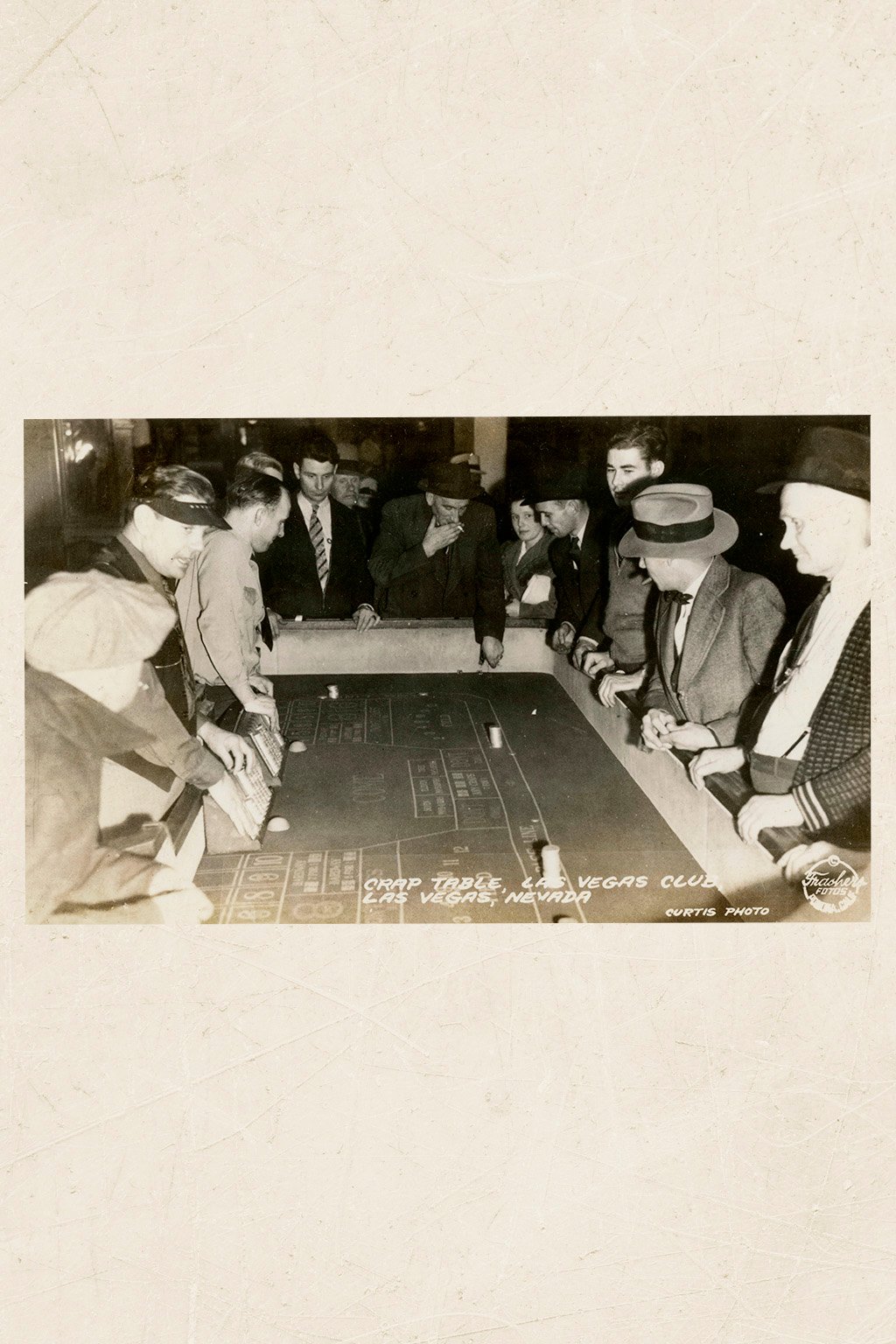
The real action started outside the city limits. In 1931 Nevada legalized gambling. Hoover Dam workers flooded in with paychecks and a thirst for distraction. Tony Cornero, an Italian immigrant with a whiskey-smuggling past, opened The Meadows—a true “carpet joint” with actual carpet on the floor instead of the old sawdust. He built it just outside the city line so he could dodge taxes and zoning. That simple move became the template for everything that followed.
Then came Guy McAfee—“the Captain.” A former Los Angeles Vice Squad captain who had once raided the very clubs he later owned. When L.A. cracked down, he packed up, bought the Pair-O-Dice on the Los Angeles Highway, and helped give that dusty stretch of road its famous nickname: the Strip, after the Sunset Strip back home. But the Strip as we know it was born on April 3, 1941.
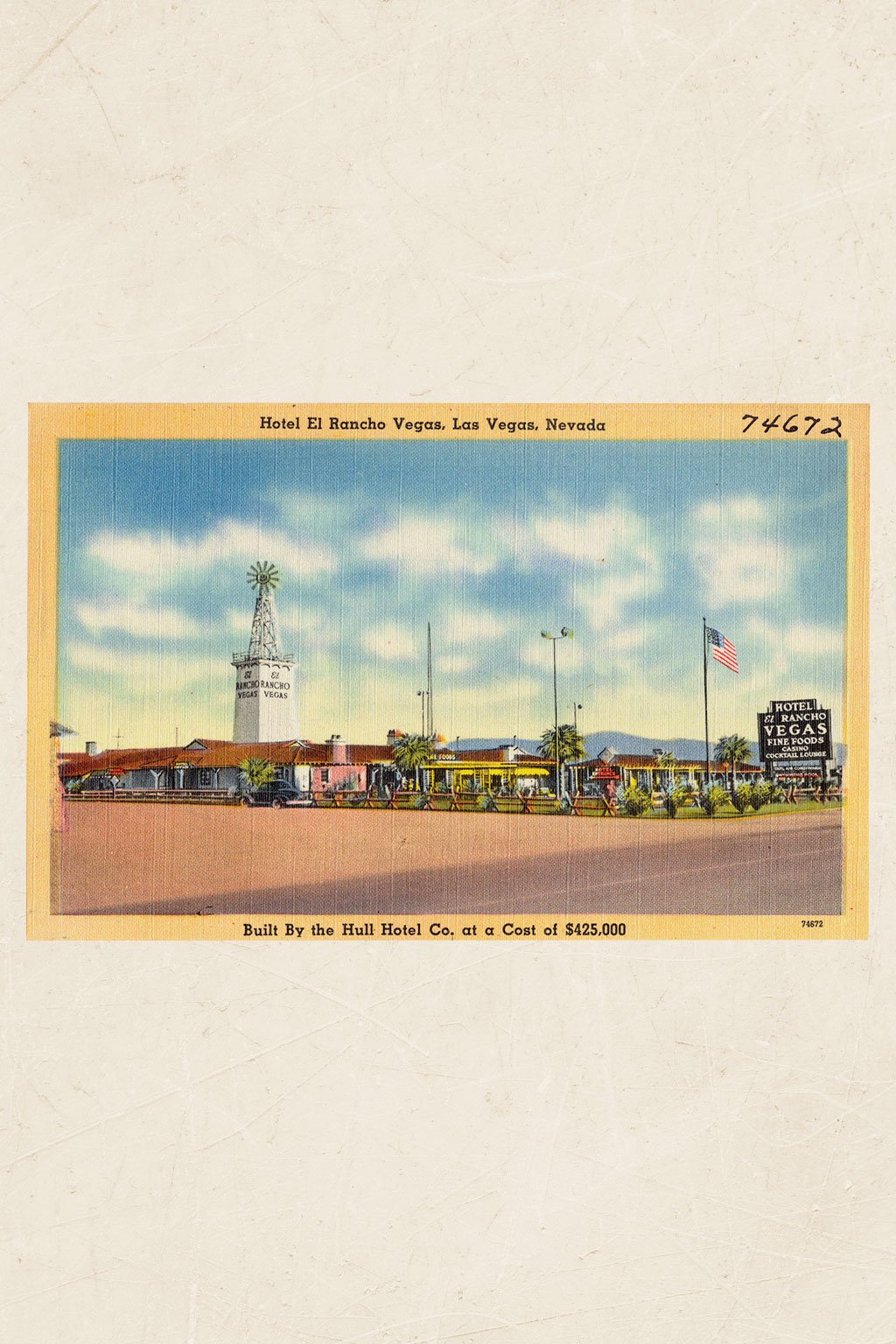
Thomas Hull, a California hotel man who had never gambled a day in his life, wrote a $57,000 check for 57 acres of land most people considered worthless. He planned a simple motel. His friends talked him into adding a casino. What he opened was the El Rancho Vegas—the first self-contained casino-resort complex in America.
Hull and architect Wayne McAllister gave the desert a new language: wagon-wheel chandeliers, cowhide curtains, deer heads on the walls, and a glittering swimming pool pushed right up against the highway so no motorist could miss it. The windmill that rose above the property wasn’t pumping water—it hid the air-conditioning equipment, its blades outlined in neon so drivers could see it at night. Staff were ordered into cowboy boots and ten-gallon hats. “Howdy, Pardner” became the official greeting. The place was an instant sensation. Highway 91 jammed up on opening night.
Not to be outdone, Texas theater owner R.E. Griffith and his architect nephew William Moore bought the old Pair-O-Dice land from McAfee for $35,000 and built the Last Frontier. Their slogan said everything: “The Early West in Modern Splendor.”
They went all in. Navajo artisans from New Mexico laid sandstone. The lobby displayed rifles, a moose head, mountain lions, and two hundred pairs of longhorn steer horns—some five feet across. Beds had horns over the headboards. Stagecoaches met guests at the airport. Moonlight horseback rides left from Moore’s own thirty-horse stable. They even created a full Western village stocked with 900 tons of artifacts from ghost towns—trains, a Chinese temple, an old jail, and life-size papier-mâché characters named Flat Rack Jack, Sheriff Bill McGee, and Sit-too-Long.
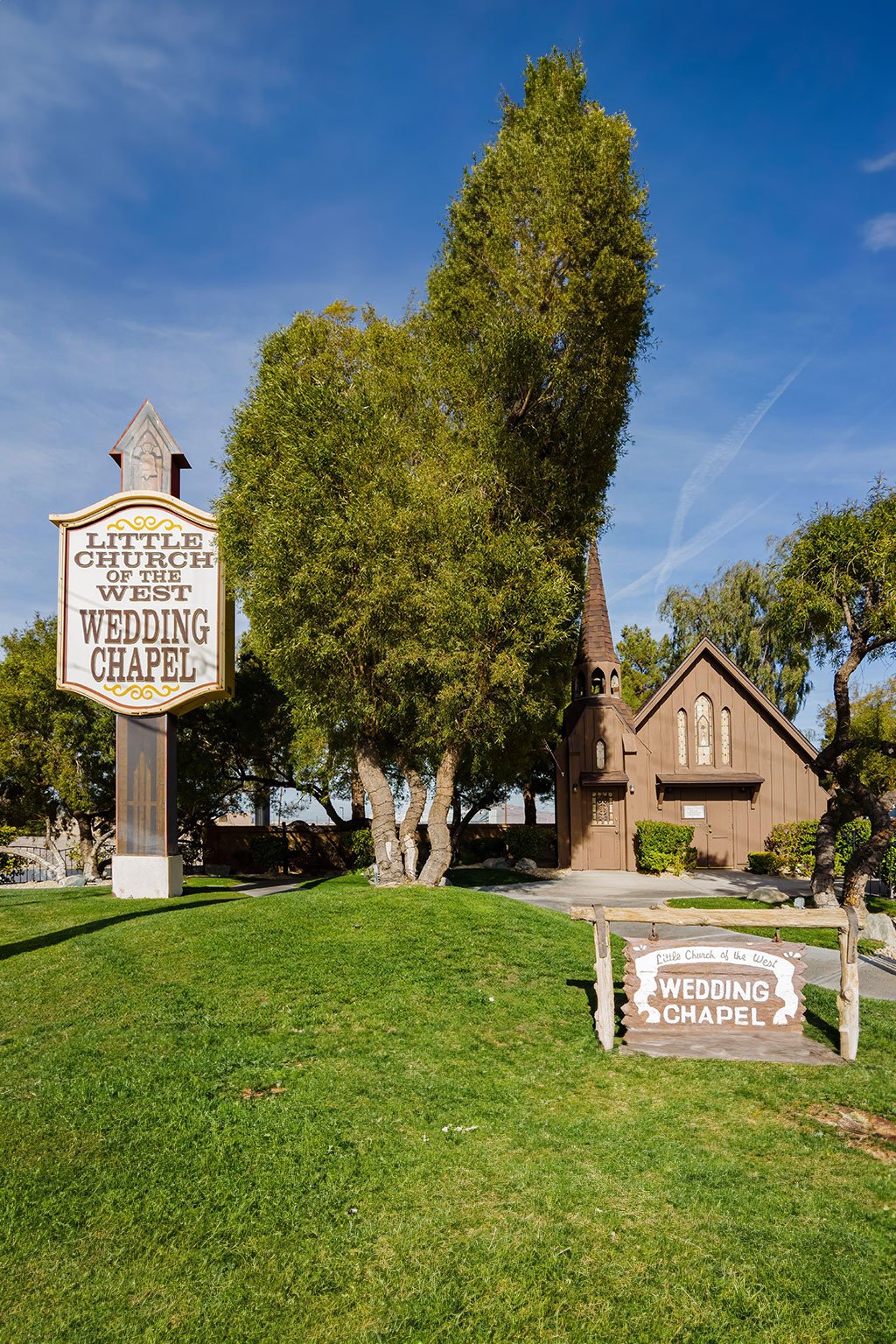
And right there on the property they placed a little redwood church, scaled down from a Gold Rush chapel in California. The Little Church of the West still stands today—the only structure from that original Wild West phase that remains, and one of the most famous wedding chapels in Las Vegas.
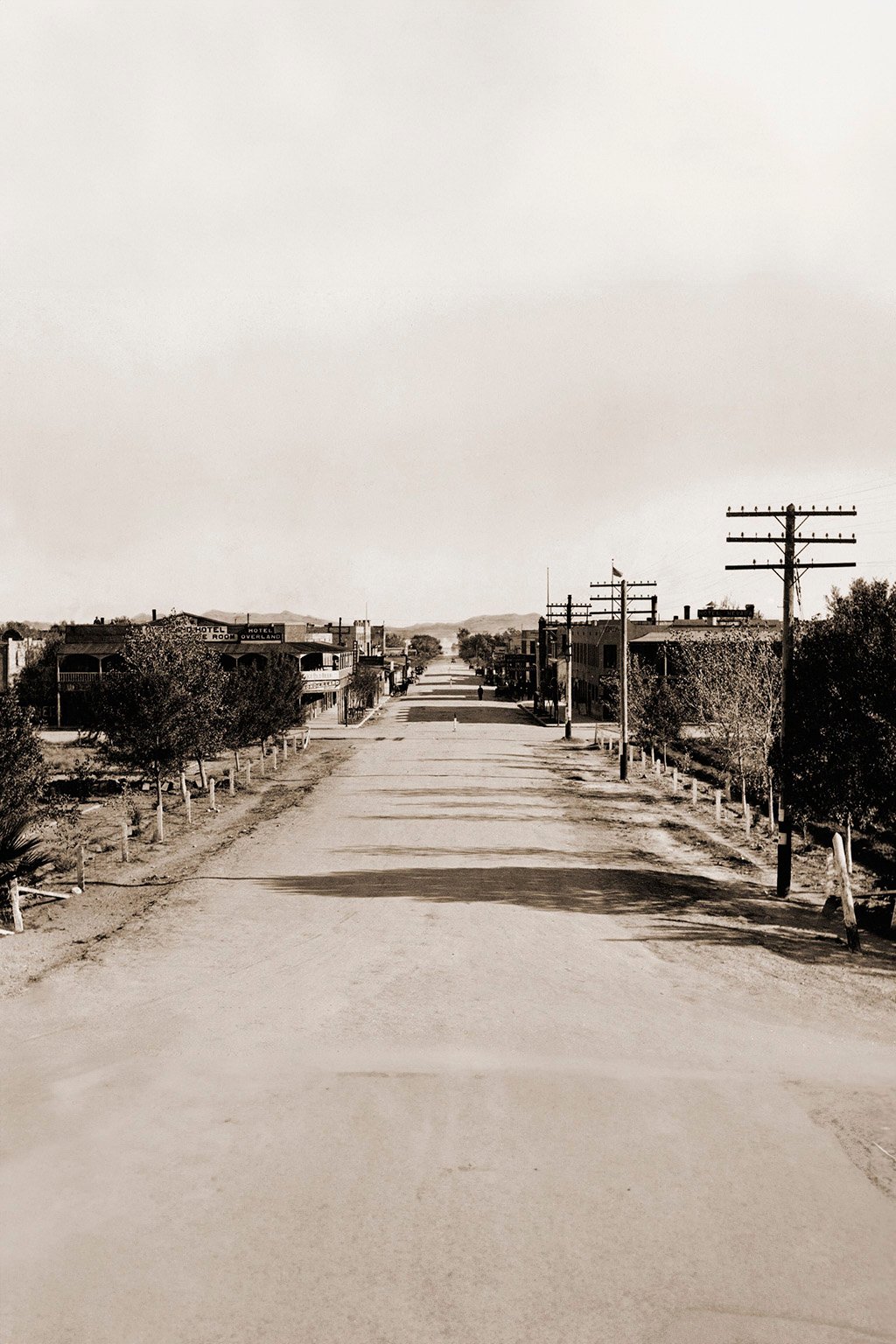
These men weren’t preserving history. They were manufacturing it. False fronts. Movie-set streets. A cowboy gas station marked “1856.” They understood something fundamental about this desert: if the story is spectacular enough, people will believe it—and they will come.
That same spirit still defines the best of Las Vegas real estate. The men who built the first Strip resorts looked at empty desert outside the city limits and saw value no one else did. They bet on self-contained communities where guests never had to leave. They mixed fantasy with modern comfort and made it feel like home.
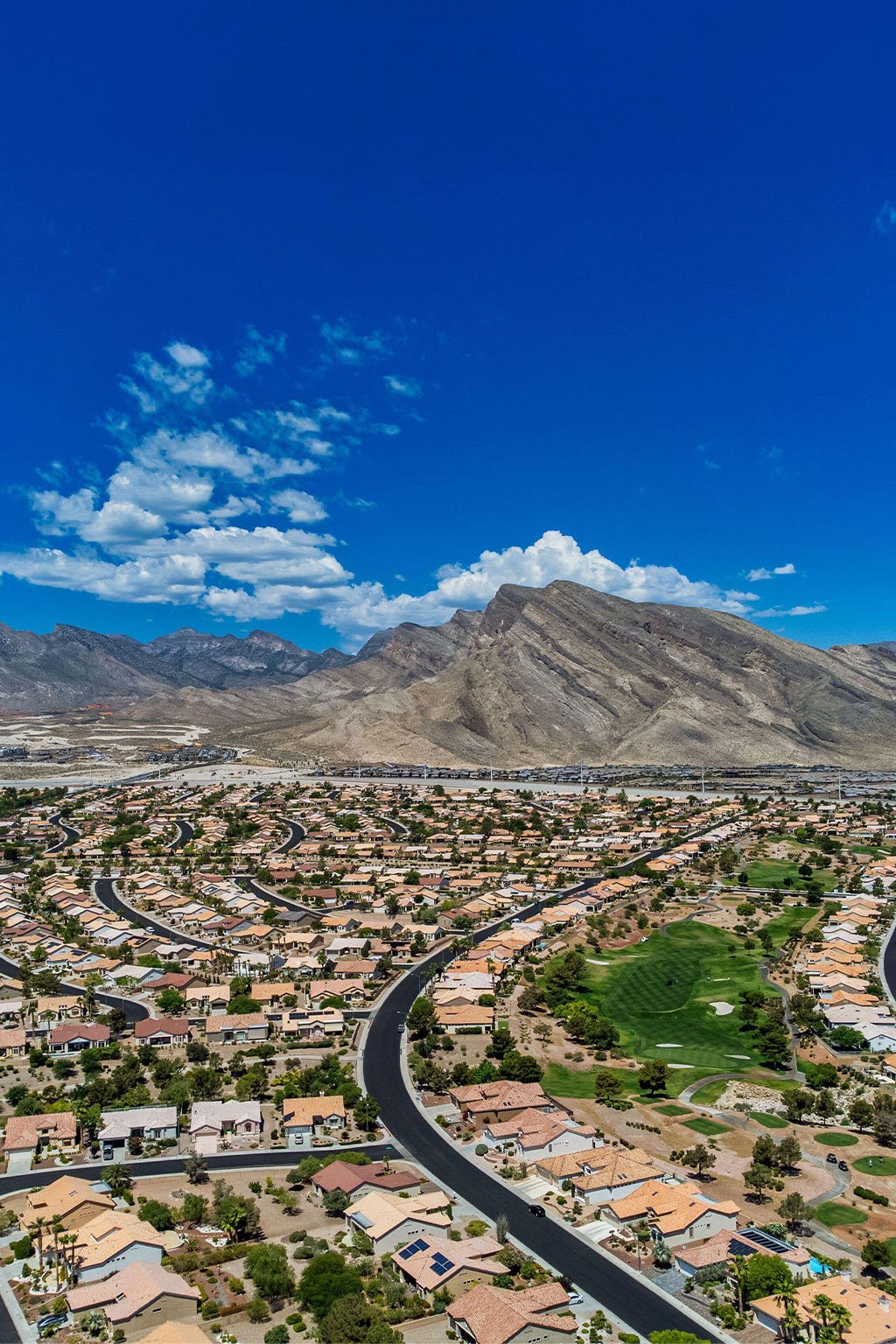
Today when I walk clients through Summerlin, I see the same DNA. Vision. Master planning. Amenities that keep life contained and elevated. A willingness to claim a better version of the desert and make it real.
The Strip didn’t start with neon. It started with a handful of bold operators who decided the West was whatever they said it was—and then built it.
That same desert ambition is still available. You just have to know where to look.